
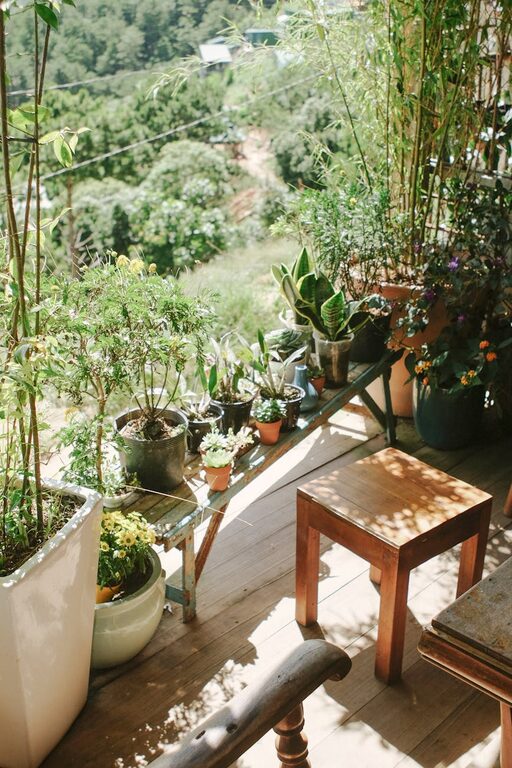
Creating a beautiful and functional small garden space at home can be a rewarding project that brings nature closer and adds a refreshing nook for relaxation. Even with limited outdoor space, thoughtful planning and clever design can transform your small garden into a delightful oasis. In this post, we explore useful tips to help you make the most of your small garden area.
Assess Your Space
Before diving into design ideas, get to know your garden area well.
– Measure your garden: Knowing the exact size helps in selecting the right plants and furniture.
– Observe light conditions: Note where the sun rises and sets, and which spots get full or partial shade.
– Identify soil type: Understanding soil quality can inform your choice of plants and whether soil improvement is needed.
– Check for drainage: Good drainage prevents waterlogging and plant damage.
By carefully assessing these factors, you can create a plan suited to your space and environment.
Plan with Purpose
Small gardens benefit from clear planning to balance aesthetics and functionality.
– Define your preferences: Do you want a space for growing flowers, vegetables, or relaxing?
– Choose a style: Decide on a garden style that suits your taste—minimalist, cottage, modern, or something else.
– Create zones: Even in a small area, designating zones (e.g., seating, planting, pathways) helps organise the space.
Sketch a simple layout that includes pathways, plant beds, and furniture placement. This visual guide will help you stay on track.
Prioritise Vertical Gardening
When ground space is limited, think upwards.
– Use trellises and wall-mounted planters: These structures can support climbing plants like clematis, ivy, or sweet peas.
– Install hanging baskets: Perfect for adding flowers or herbs at eye level without cluttering the ground.
– Create tiered plant stands: Multiple levels maximise planting area while adding visual interest.
Vertical gardening not only saves space but also adds layers and texture to your garden.
Select Suitable Plants
Choosing the right plants is crucial for a small garden’s success.
– Opt for compact or dwarf varieties: Many plants have smaller cultivars ideal for limited spaces.
– Mix perennials and annuals: Perennials provide lasting structure, while annuals offer seasonal colour.
– Include evergreens: These keep your garden looking vibrant year-round.
– Consider sensory elements: Plants with fragrant flowers or textured leaves enhance the experience.
– Choose low-maintenance options: Hardy, drought-tolerant plants reduce upkeep, especially if you have a busy schedule.
Remember to group plants with similar light and water needs for easier care.
Make Use of Containers
Pots and containers are versatile solutions for small gardens.
– Container types: Choose terracotta, ceramic, or wooden pots that fit your garden style.
– Mobility: Containers can be moved to adjust sunlight exposure or to refresh your design.
– Grow edibles: Kitchen herbs or salad greens grow well in containers near your door or seating.
– Combine sizes: Mix large and small containers to create depth and interest.
Container gardening allows flexibility and can be tailored as your tastes or seasons change.
Incorporate Functional Features
Functionality is key in small gardens to ensure the space is enjoyable and practical.
– Seating: A small bench, foldable chairs, or built-in seating maximise comfort without taking too much room.
– Lighting: Solar-powered or fairy lights add ambiance and extend usability into the evening.
– Storage: Use benches with storage or discreet boxes to keep tools and garden supplies neatly tucked away.
– Pathways: Narrow stone paths or stepping stones guide visitors without overwhelming the garden.
Every feature should serve more than one purpose where possible to make the most of your space.
Choose Appropriate Garden Furniture
Selecting the right furniture complements your garden’s size and style.
– Size matters: Choose furniture scaled to the garden’s dimensions to avoid overcrowding.
– Materials: Lightweight materials like aluminium or wicker are easier to move and maintain.
– Foldable options: These allow you to store furniture when not in use, freeing up space.
– Add cushions and textiles: Outdoor cushions create a cosy feel and are easy to update.
Remember, less is more when furnishing a small garden.
Maintain Your Garden Thoughtfully
A small garden can be low-maintenance with the correct routine.
– Routine care: Regular watering, pruning, and weeding keeps your garden healthy and tidy.
– Seasonal clean-up: Clear fallen leaves and dead plant material to prevent pests and diseases.
– Soil health: Top up with compost or organic fertiliser as needed.
– Pest control: Use natural methods to protect your plants without harming the environment.
Consistent care ensures your garden remains a pleasant retreat year-round.
Add Personal Touches
Finally, personalise your garden with elements that make it feel like home.
– Decorative items: Small sculptures, birdbaths, or wind chimes add character.
– Personal artworks: Weatherproof signs or painted pots can show your personality.
– Wildlife-friendly plants: Attract bees and butterflies to create a lively, natural atmosphere.
– Water features: A small fountain or bird feeder can provide soothing sounds and attract wildlife.
These touches transform a simple garden into your private sanctuary.
—
With careful planning and creativity, even the smallest garden space can become a beautiful, functional extension of your home. Embrace the challenge with enthusiasm, and enjoy cultivating your green haven.